The Smart Way to Balance DIY and Professional Video
If you’ve ever found yourself asking, “Should I hire a professional… or can we just shoot this on our phones?” you’re not alone. It’s one of the most common questions I hear from business owners and in-house marketing teams.
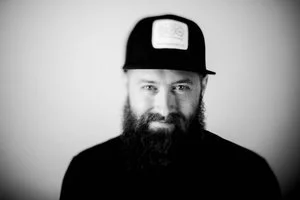
In this episode of The Video Lab Show, I sat down with Luke Lynass—a video and photography pro who recently went out on his own after several years in-house with a Sioux Falls company. Luke’s work is centered around helping what he calls “companies with heart”—organizations that are people-focused, impact-driven, and willing to take smart risks to better serve their audience.
And the conversation was a good reminder that the real answer isn’t “pro” or “DIY.” It’s more practical than that.
Meet Luke Lynass: Helping “Companies With Heart”
Luke described his ideal clients as people-centered businesses and nonprofits whose mission goes beyond profit. He’s drawn to teams that care deeply about the people they serve—and want their marketing to reflect that.
He also shared something I loved: he often acts like a “sixth man” for a small business team. Not a full-time staff member, but someone who can step in with video, strategy, and support when a team is stretched thin.
Key Question First: What Problem Are You Trying to Solve?
Luke’s main point was simple, and honestly… it’s the one most people skip.
Before you decide what camera to use, what style to shoot, or what platform to post on, ask:
What problem are we actually trying to solve with video?
If you jump straight to “what kind of video gets the most engagement,” Luke says you’re already too far down the road. Start with clarity first, then choose the right approach.
When Professional Video Matters Most
Luke recommended leaning into professional production when the video is tied to a first impression or a high-stakes moment, like:
Your website homepage video
A brand story that explains who you are and why you exist
Paid ads and campaign creative
Client testimonial videos (especially if you want a “first-class” experience)
Product videos for product pages
This is where strong lighting, clean audio, and thoughtful storytelling create trust faster.
Where DIY Video Can Shine
DIY content absolutely has a place—especially for organic social content and quick, human moments. Nobody needs to hire a production team for a happy birthday shoutout or a behind-the-scenes update.
But Luke and I agreed: the biggest DIY hurdles are editing and on-camera comfort. The filming part is easier than ever. The follow-through is where most people get stuck.
One low-pressure idea we talked about: film simple b-roll of you working (phone on a tripod), then add text overlays. It’s an easy way to post video without having to talk to the camera.
The Middle Ground: Content Days + Coaching
One of the best takeaways was the “middle option” between done-for-you and totally DIY: Content Days.
Set aside one day per month (or at least quarterly) to batch your content. You can shoot it internally, but bring in someone like Luke (or me) to coach, direct, and tighten things up in real time. Small adjustments make a big difference.
The Bottom Line
If you only remember one thing from this episode, make it this:
Decide based on the problem you’re solving—and make video for your people.
Not for “everyone.” Not for trends. For the actual customers you want to reach.