The Real Reason Traditional Media Is Losing to YouTube (And What Businesses Can Learn)
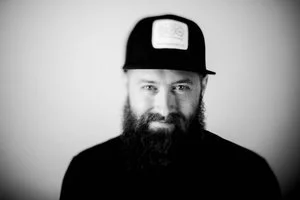
When I sat down with Bridget Bennett, I knew this conversation was going to be interesting. Bridget spent 13 years in broadcast news—live TV, newsroom deadlines, the whole thing—and then made a hard pivot into “new media” as a full-time YouTuber at MarketBeat, creating daily stock market news videos.
It’s a rare perspective: someone who understands traditional media from the inside, but is now building on YouTube in real time. And her biggest takeaway isn’t about cameras, lighting, or fancy graphics.
It’s about connection.
YouTube is where people already are
Bridget put it simply: audiences aren’t “switching to YouTube.” They’re already there. That’s how a huge number of people consume information now—on their phone, on their computer, whenever it fits their day.
And for businesses, that’s the point. If someone searches your name, your company, or your category, YouTube is part of that discovery path. Bridget called out what a lot of brands still underestimate: YouTube isn’t just “social.” It’s a search engine. And search intent is powerful.
Authentic beats polished (more often than you’d think)
One of the most validating moments in our conversation was hearing Bridget describe what many creators experience: the more “perfect” you try to be, the less the content can connect.
She talked about how YouTube often rewards the version of you that feels real—the same person someone would meet at the grocery store. In broadcast news, professionalism matters. On YouTube, trust can still matter, but viewers also want to feel like you’re talking with them, not at them.
That’s a big shift for anyone coming from traditional media… and honestly, for a lot of businesses too.
The attention game: thumbnails, titles, and the cringe factor
We also got into the part of YouTube that everyone understands but few people enjoy talking about: thumbnails and titles.
Bridget shared how different this feels compared to journalism, where headlines are supposed to inform, not tease. On YouTube, curiosity is the job. Fewer words. Stronger emotional cues. And yes—sometimes that “cringe” face that you don’t want to use is the exact thing that gets the click.
Her point wasn’t “be clickbait.” It was: if you want your message to land, people have to click first.
Traditional media still has an edge: standards and credibility
Here’s where Bridget’s journalist side came through in the best way. Traditional media has checks and balances—verification, confirmation, editorial standards. YouTube doesn’t.
And that creates an opportunity for brands and creators who care about credibility. You can still be approachable and entertaining while being responsible with information. That combination is rare, and it stands out.
The business takeaway: stop trying to reach everyone
Bridget said something that applies to every business making content today:
If you try to reach everyone, you’ll reach no one.
Traditional broadcast was built to reach the widest audience possible. YouTube rewards the opposite—clear niche, clear audience, clear message. When you know exactly who you’re talking to, the platform can actually help you find more of those people.
Final thought: connection is the whole game
We ended with Bridget’s “one thing” takeaway: people are looking for connection. In a world where everyone’s always online, a lot of people still feel disconnected.
If your videos help someone feel seen, informed, encouraged, or understood—even through a screen—that matters. And it’s a big reason YouTube is winning.